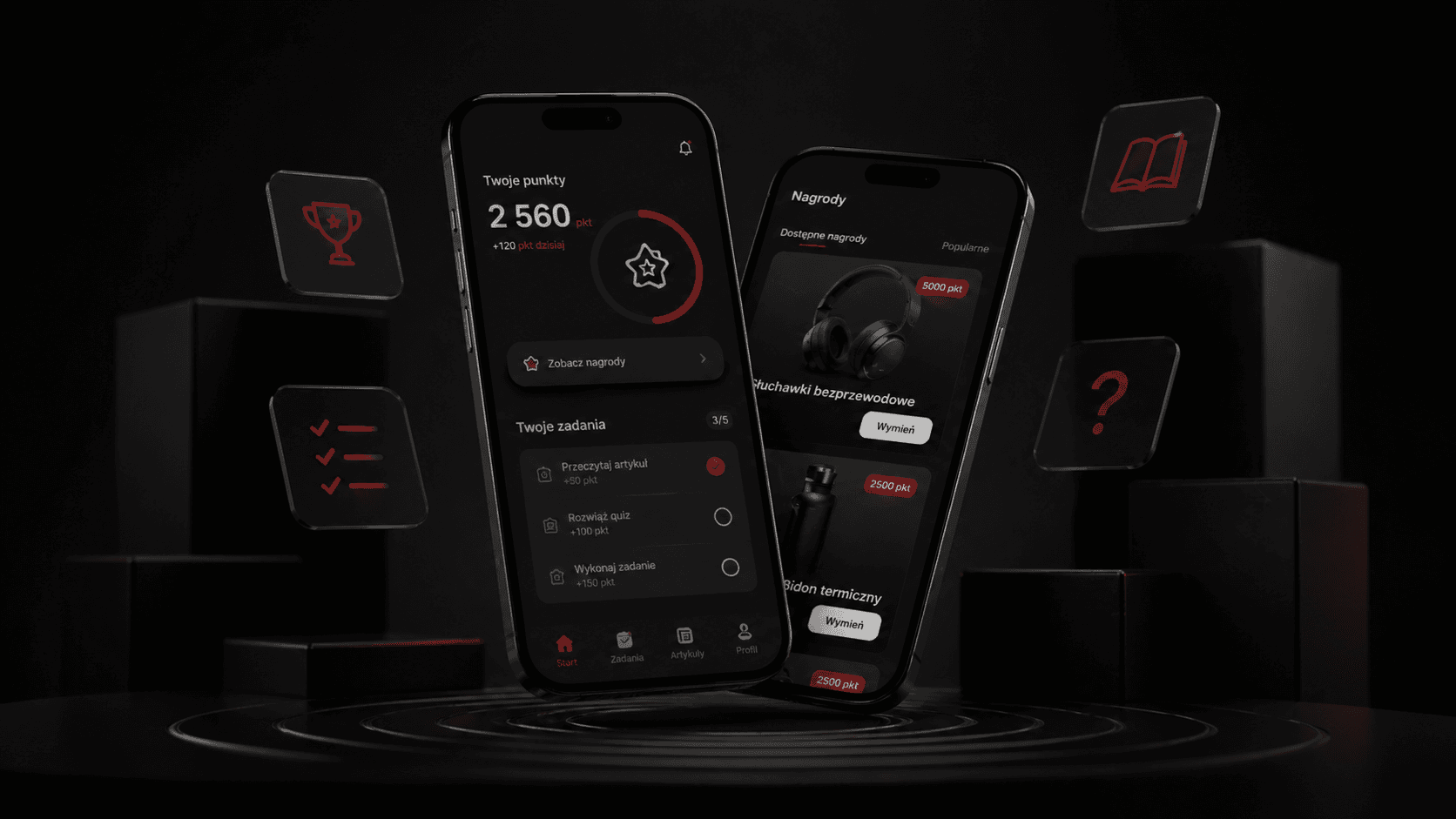
The mobile app that turned field work into a game
The client managed distributed field teams and needed a tool that would organise work, keep people engaged and give them full visibility into what was happening on the ground. I designed and built a mobile app for iOS and Android with a backend based on WordPress and REST API. The system combined location-based tasks, quizzes, articles, point scoring and reward redemption – all tailored to each user's role and position in the structure.
- iOS + Androidsingle codebaseReact Native – one solution for both platforms
- 5user typesfrom group member to system administrator
- REST APIWordPress integrationcustom endpoints, business logic server-side
- TestFlight + Google Playopen testingapp tested by real users on both platforms
A distributed team with no tool that actually works
Managing field teams is a tough logistical problem. The client had people spread across different regions, each with different responsibilities and different levels of access to information. Communication happened through Messenger and emails, tasks got lost in threads, and verifying what had actually been done was practically impossible.
On top of that, there was no motivation for consistent engagement. The client wanted completing tasks, reading materials and taking part in quizzes to be more than just an obligation – it needed to feel natural and engaging. What was needed was a tool that brought all of this together in one place and provided real data on field activity.
What I built and why it works
WordPress backend with a custom REST API
Rather than building a backend from scratch, I based the system on WordPress – a mature and flexible platform that the client could administer themselves. I extended it with custom REST API endpoints handling the full application logic: tasks, points, rewards, groups, user roles and location data. This meant the admin panel was ready from day one, and I could focus my effort on the parts that required custom work.
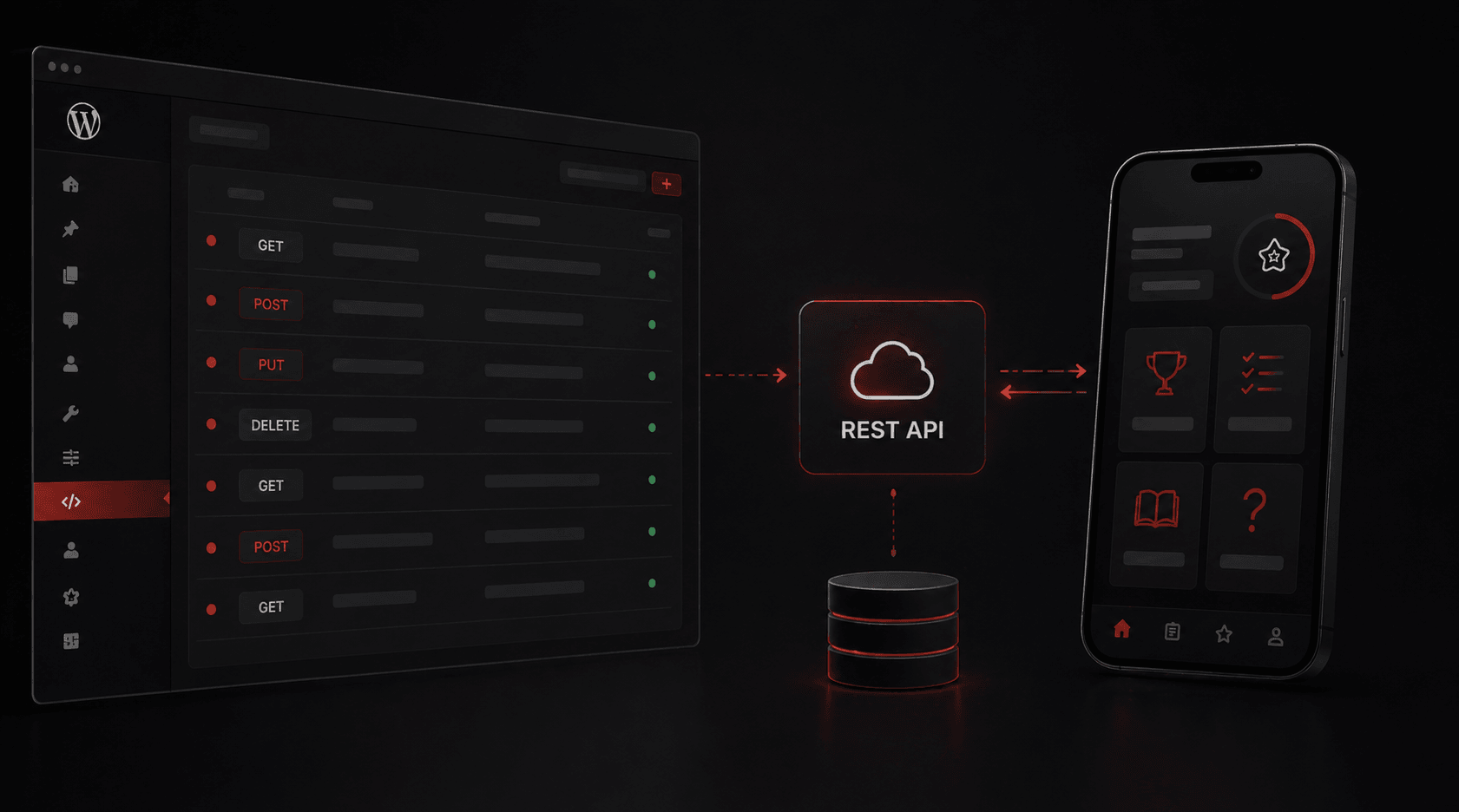
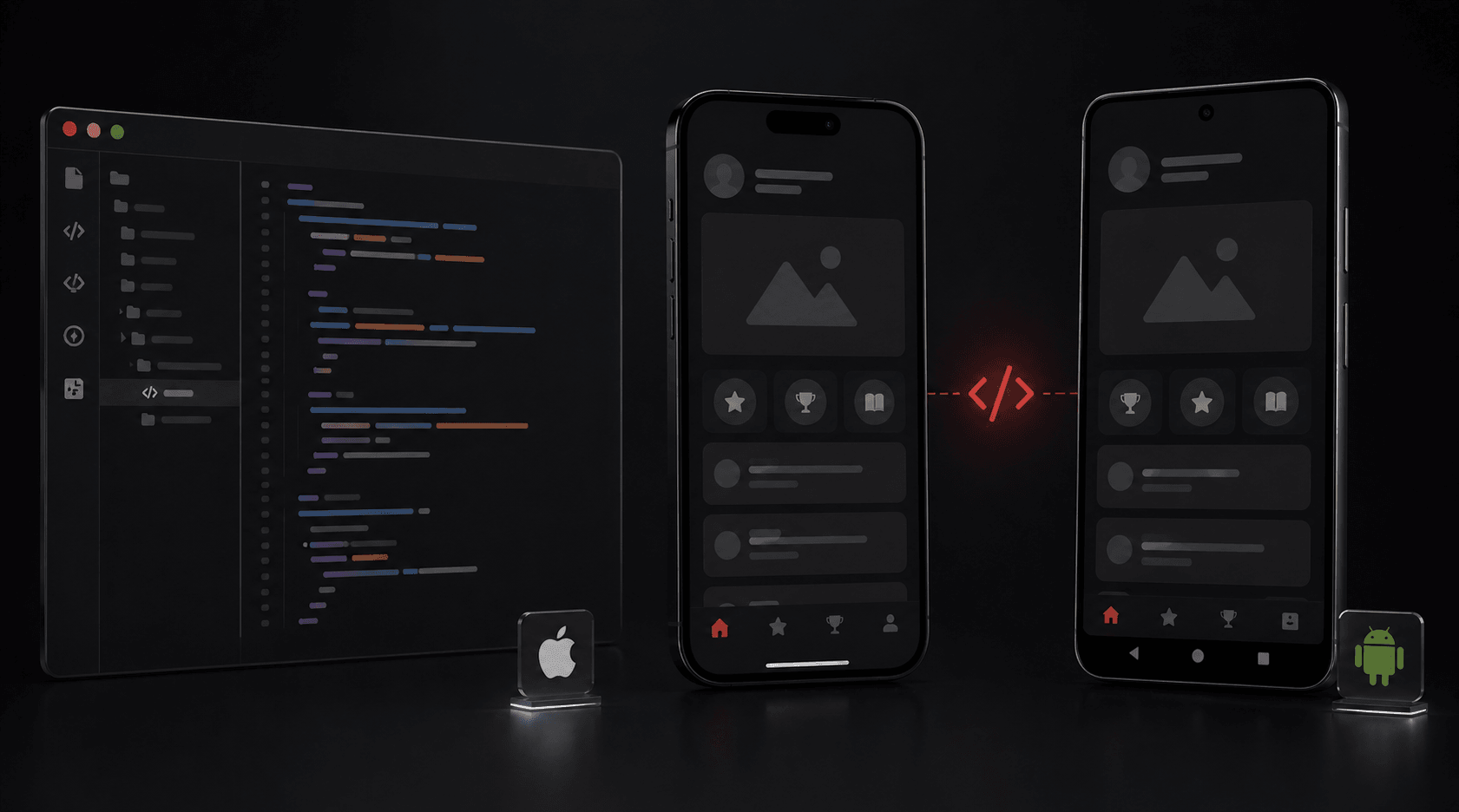
Mobile app for iOS and Android – single codebase
I built the app in React Native, which allowed simultaneous release on both platforms without duplicating work. The interface was designed with the field user in mind – quick access to tasks, clear lists, instant notifications about new activities. Everything communicated with the backend via REST API with token-based authentication.
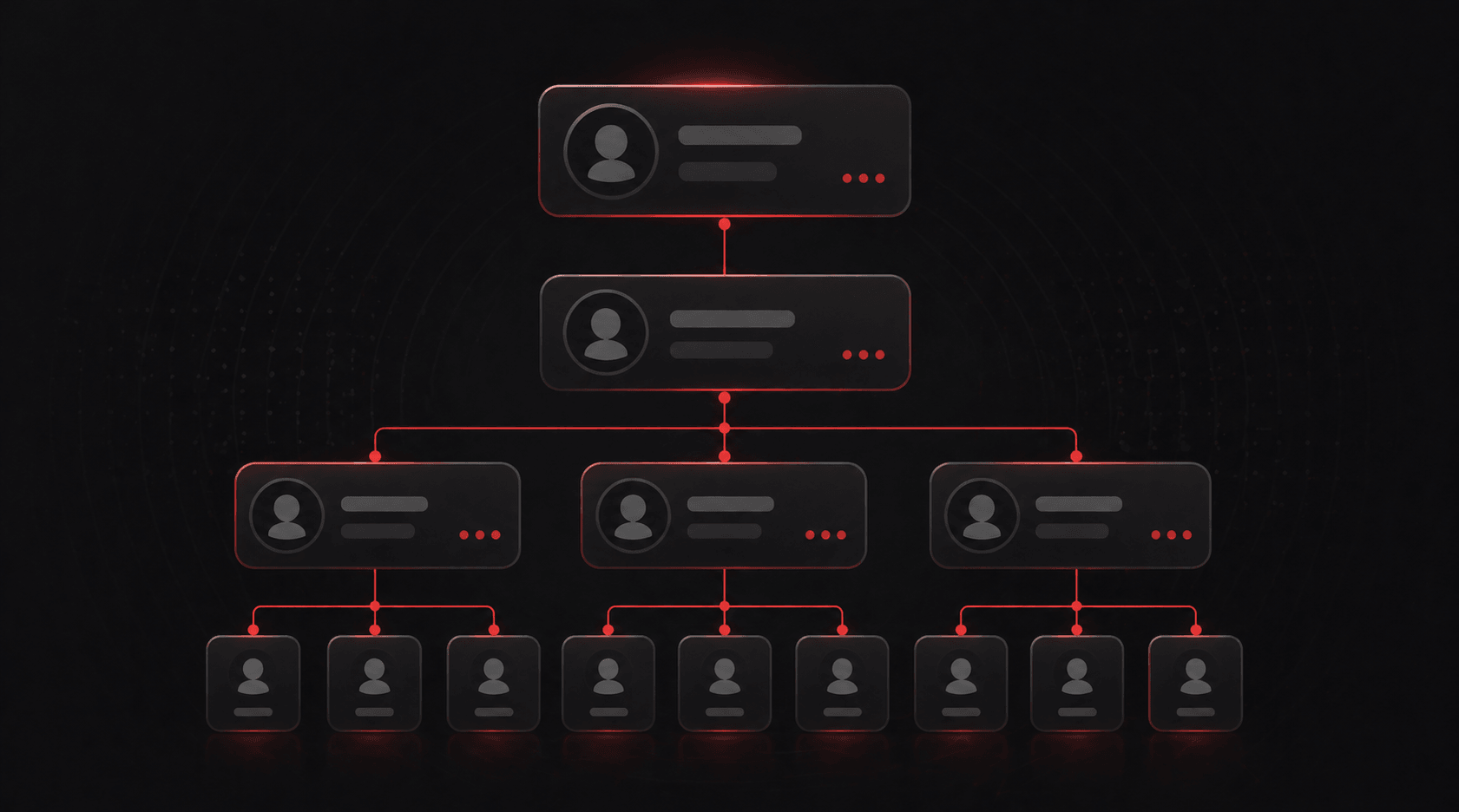
Role and permission system tailored to the organisation's structure
The app's structure mirrored the client's hierarchy: regular group members, group leaders, regional managers and a system administrator. Each role had a different set of tasks, responsibilities and views within the app. A leader could see their team's activity, a regional manager could see their region. Data access was precisely controlled at the API level.
Gamification – points, rewards and rankings
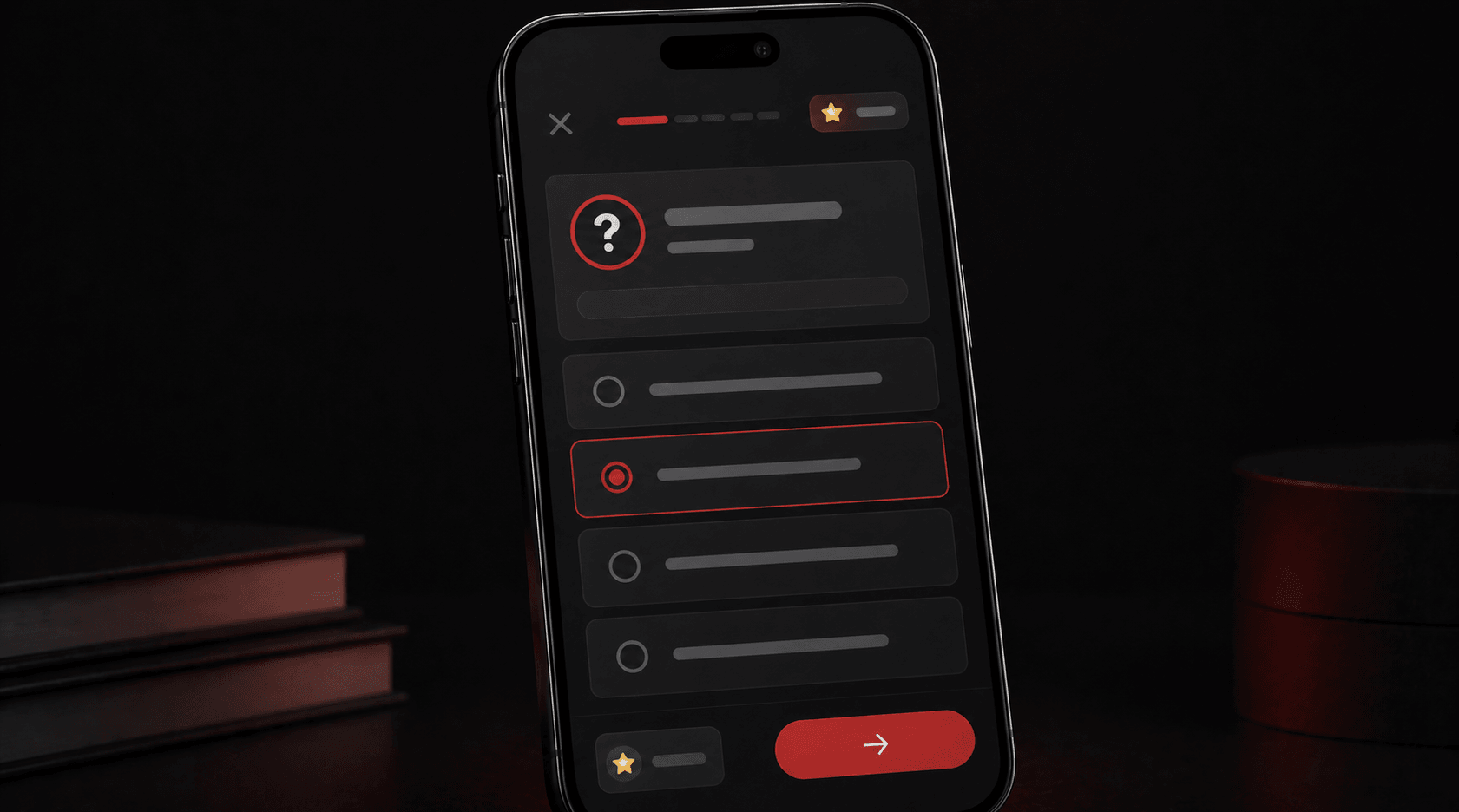
The central engagement mechanic was a points system. Users earned points for completing tasks, finishing quizzes, reading articles and general activity in the app. Accumulated points could be redeemed for rewards managed by the administrator. This simple mechanic turned regular app use into something people came back to on their own.

Tasks with location check-in and photo verification
Some tasks required confirming presence at a specific location or completing a particular action in the field. I implemented GPS integration and a photo upload mechanism for review by a supervisor. This gave the client real proof of task completion and eliminated the problem of verifying field work.

Quizzes and articles as a training tool
The app also served as a training platform. Administrators could publish articles and quizzes that were delivered to the appropriate user groups. Completing a quiz or reading an article was rewarded with points – which naturally encouraged content consumption. Quiz results were available in the admin dashboard.
Groups, leaders and managing everything from one place
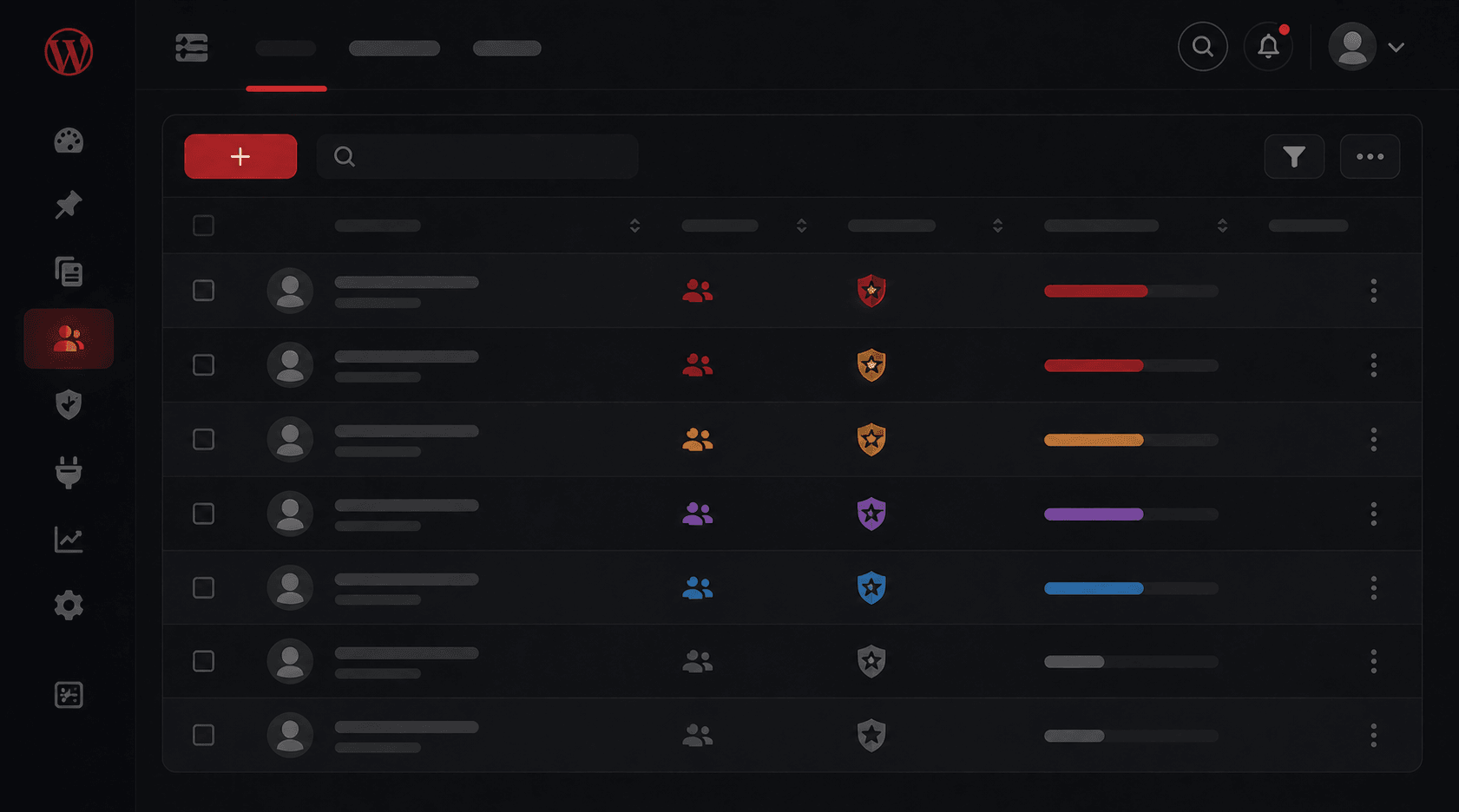
The group system allowed hierarchical structures to be built – groups had their leaders, leaders reported to regions, and regions were all tied together in one central panel. The administrator had a full picture of the entire organisation's activity: who did what, when, from where and how their work was assessed.
JWT, security and user communication
Authentication in the app was based on JWT – tokens were refreshed automatically and every API request was verified server-side. The push notification system kept users informed about new tasks, quiz results and rewards. Sensitive user data was stored following WordPress security best practices, and the REST API endpoints were secured against unauthorised access and abuse.
Delivered, tested and ready to scale
The app went through a full development cycle and was made available to testers on both platforms.
- App published on TestFlight (iOS) and Google Play open testing (Android)
- Working role system with 5 permission levels and separate views for each role
- GPS integration and field task verification through photo submissions
- Points system and reward redemption with a WordPress-side management panel
- Quizzes and article library as an internal training module
- WordPress-based backend – the client can manage content independently without a developer
Technologies
- React Native
- WordPress
- Custom REST API
- PHP (Custom Modules)
- JWT Authentication
- Geolocation API
- iOS (TestFlight)
- Android (Google Play Open Testing)